Before you read on. This page describes what the Vietnamese tradition does with these points and how people use them on themselves. It is not a treatment, it is not medical advice, and it is not written by a doctor. It does not replace anything your own doctor has told you to do. If what you are feeling is new, severe, or getting worse, please see a doctor first. Read our safety page before you press anything.
Where the points are, and what each one is for.
Vietnamese acupressure works across the whole body. Each region has its own points, its own technique, and its own cautions.
The regions we teach
Traditional practice does not treat the body as separate parts. A point on the hand can change what happens in the shoulder; a point at the base of the skull can change what happens further down the back. But it helps to learn region by region.
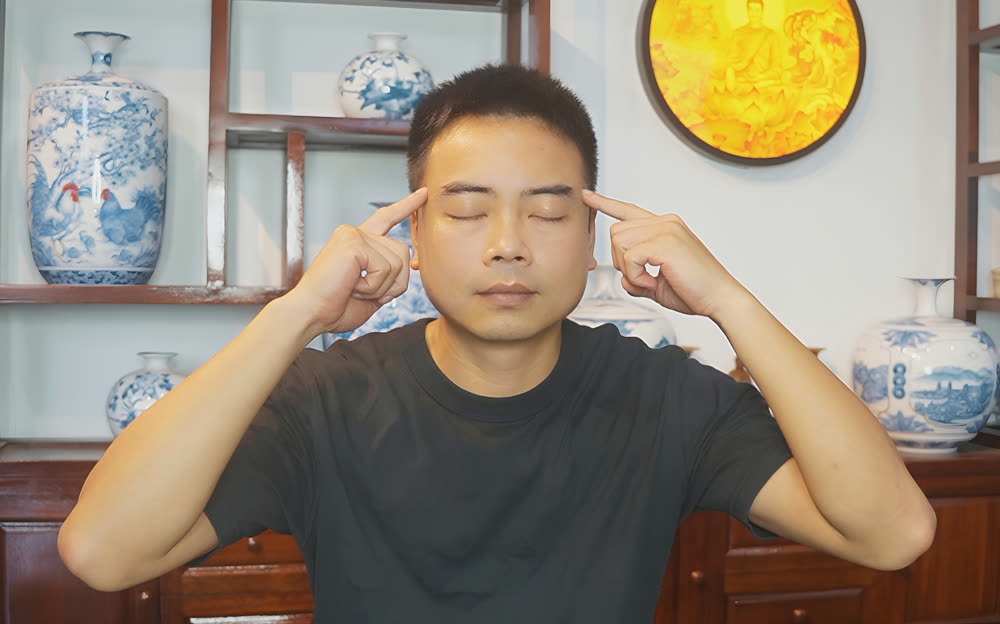
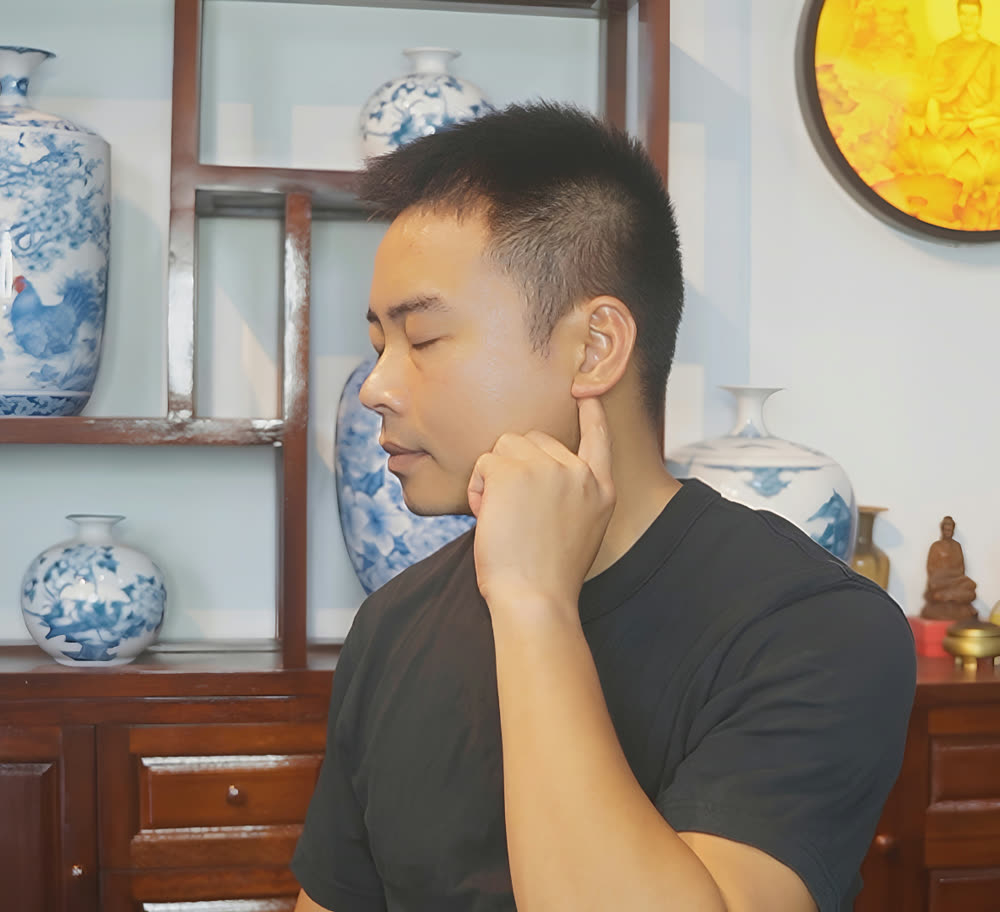
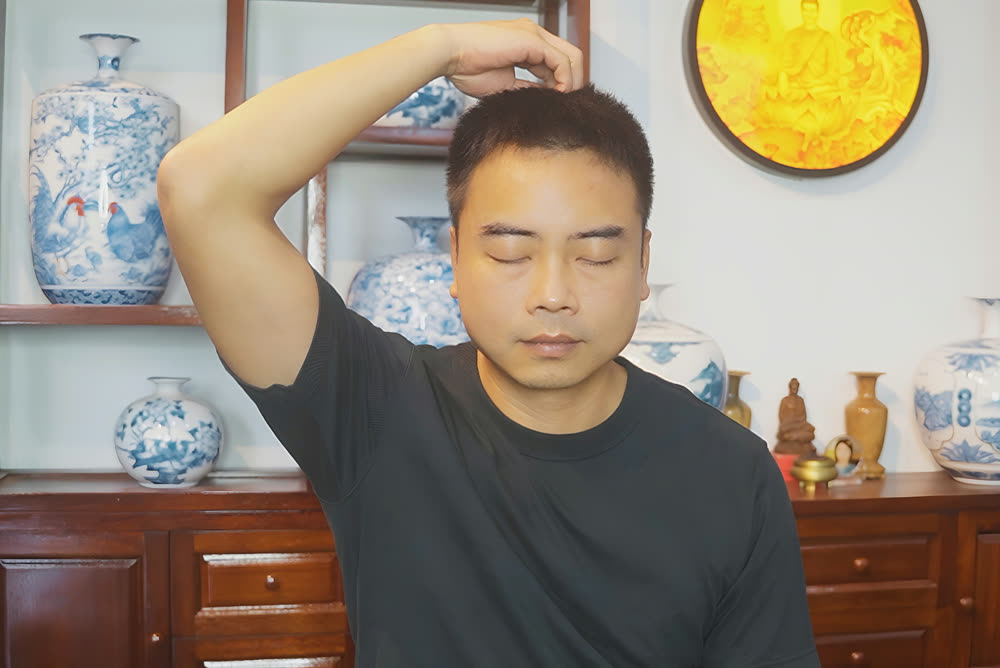
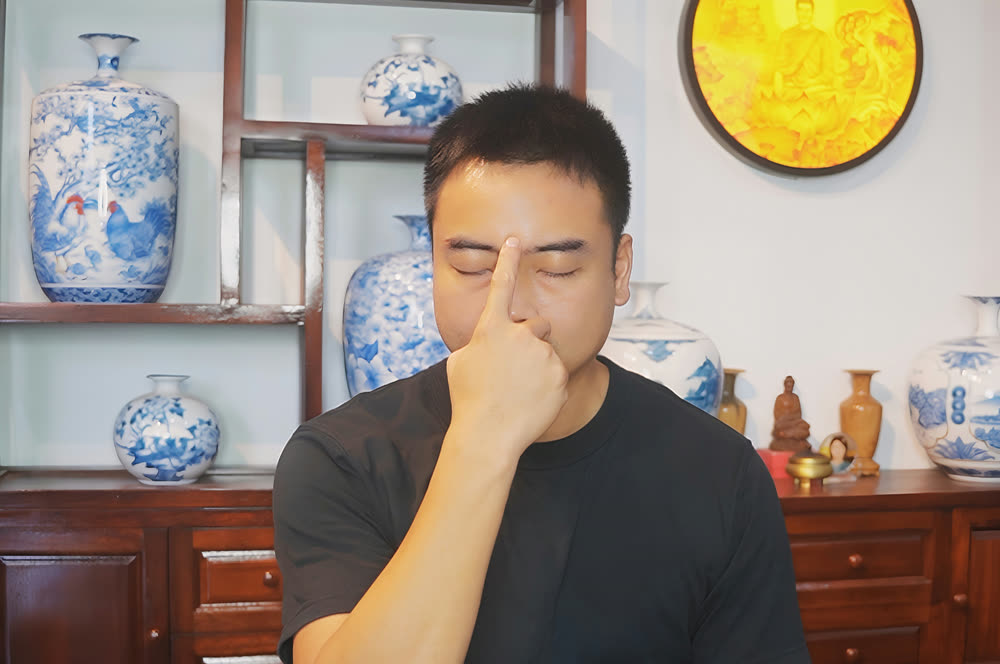
Hands & feet
Reached sitting in a chair, fully clothed, with one hand working on the other — useful when moving is difficult.
Back
Worked either directly or through related points elsewhere on the body, depending on what a person can reach.
The points
We are still filming this section. Rather than publish a half-finished guide to something you will do with your own hands, we would rather get it right.
Leave your email below for the free Foot Map, and we will send you this section the day it is ready — at no cost, whether or not you ever buy anything.
Send me the Foot Map
Before you press anything. Stop if a point causes sharp pain, numbness, or tingling. Do not press over broken skin, a rash, a recent injury, or a swollen joint. If you are pregnant, taking blood thinners, or managing a health condition, read our safety page first and speak to your doctor.
Start with the free book
The Foot Map — seven spots along the inside edge of your foot, in large print. No payment details.
Get the free Foot Map